
[ad_1]
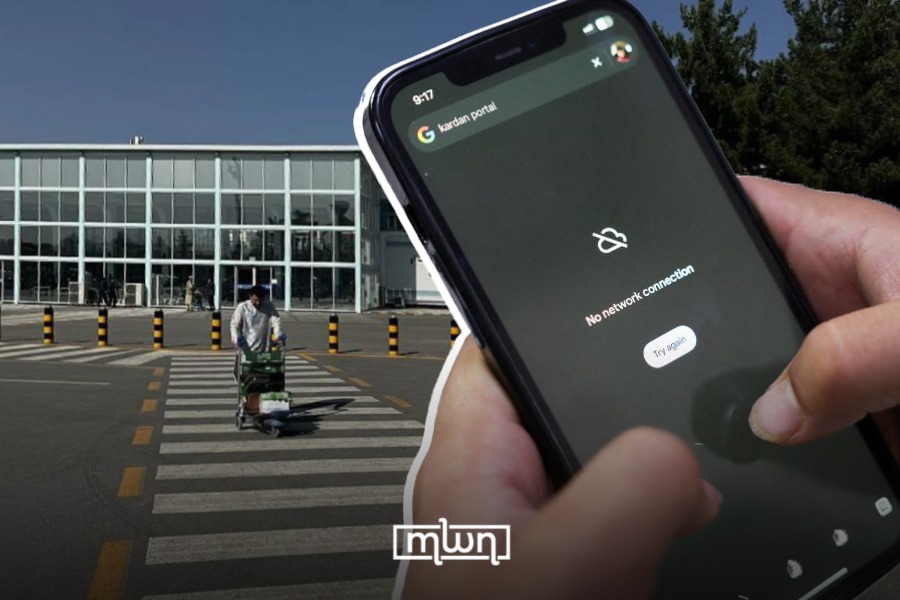
Rabat — On Tuesday, September 30, the Taliban-controlled government of Afghanistan imposed a national Internet blackout, grounding flights, freezing daily Internet-reliant services, and wholly cutting off communication to the outside world.
A Taliban spokesperson posted on X earlier this month claiming that the blackout is meant to curb “evils,” meaning it will implement measures to enforce the Taliban’s moral system. In response, state-owned telecommunications businesses began to suspend their services.
The Taliban began to roll out the blackout several weeks ago, but did not reach the capital, Kabul, until Monday; on Tuesday, people across the country found that they had lost access to the Internet. NetBlocks, an international Internet access-monitoring organization, reported that connectivity in Afghanistan has plummeted to 1%.
Kabul resident and business-owner Najibullah told news agency AFP that Afghanis felt “blind without phones and Internet… All our business relies on mobiles.
“It’s like a holiday, everyone is at home. The market is totally frozen.”
Locals report that huge queues are lining up at banks in Kabul, attempting to withdraw physical money, but that cash was in short supply. Other provinces report complete closures of all their banks. Meanwhile, international news agencies have completely lost touch with local offices. Social media and satellite TV have also been paralyzed across the country.
In effect, Afghanis are stranded from the rest of the world, and even from one another—and from crucial priorities like education, business, and health, which are frequently facilitated by online classes, phone calls, and mobile apps.
The blackout is especially detrimental to eastern Afghanistan, which has not fully recovered from a magnitude-6 earthquake destructive impact to many villages and human life—killing over 900 and injuring over 3,000. The earthquake struck at the beginning of September.
In the Balkh province, another government spokesman said that the Taliban’s Supreme Leader, Mullah Hibatullah Akhundzada, had ordered that “an alternative domestic solution” be implemented to address urgent needs while the Taliban searches for a more permanent solution.
The blackout is the most recent iteration of the Taliban’s morality crackdown. Earlier in September, officials removed books written by women from the country’s university education system and outlawed teaching centering on human rights.
The Taiban has controlled Afghanistan since 2021. Since then, women’s rights have rolled back significantly. Girls older than age 12 may not attend schools, and now that the Internet has closed, they may not access online courses, either.
International human rights groups and the United Nations have condemned these latest strictures and urged the Taliban to restore Internet access.
[ad_2]
Source link