
[ad_1]
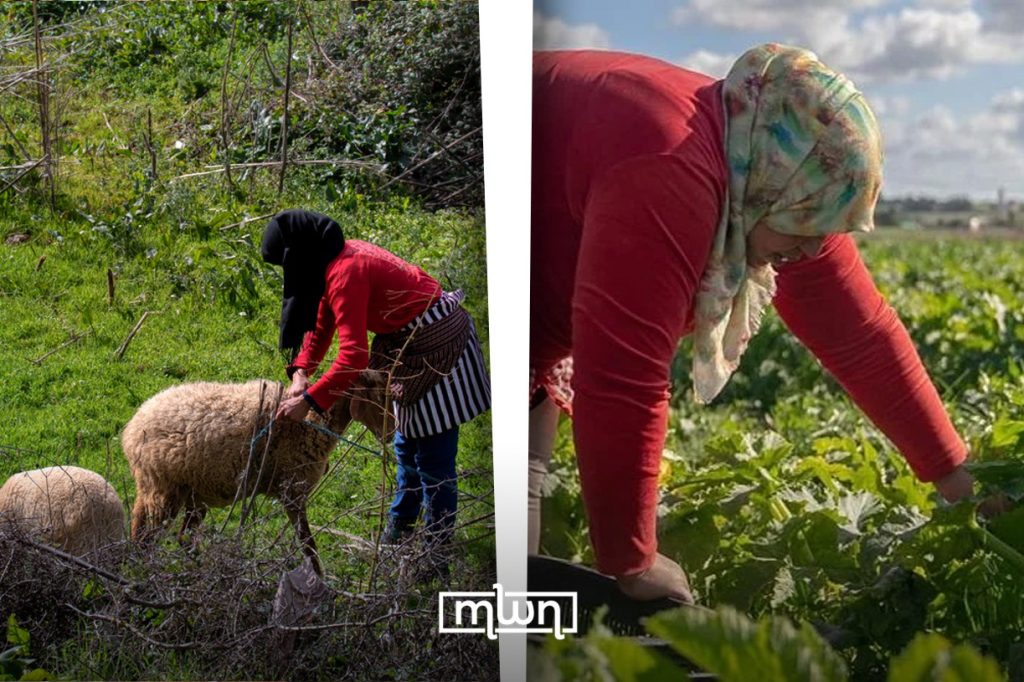
Rabat – Launched under OCP Group’s Al Moutmir initiative, ElleMoutmir is redefining the role of rural women in Morocco’s agricultural sector by turning empowerment into a driving force for sustainability and resilience.
The program seeks to provide women with the technical knowledge, digital tools, and entrepreneurial skills necessary to lead change within their communities.
Established in 2018, Al Moutmir is designed to promote inclusive agricultural development through innovative, science-based, and locally adapted solutions.
With over 40,000 farmers directly supported and more than 540,000 reached through digital tools, the initiative offers a full range of services covering soil health, customized fertilization, sustainable mechanization, and market access.
Within this framework, ElleMoutmir specifically targets women as key agents of transformation, helping them acquire agricultural and managerial competencies that enhance productivity while protecting natural resources.
The program directly supports four main groups: women farmers, female agricultural retailers, women’s cooperatives, and young female leaders.
Bridging gaps, building leadership
At the heart of ElleMoutmir lies a simple conviction: rural development cannot be achieved without women.
The initiative promotes long-term, locally driven approaches that are co-created with the women they serve. Its field teams, composed of agricultural advisers and experts, work closely with beneficiaries to provide personalized support and ensure knowledge transfer.
Women who participate in the program are trained to lead adaptation and mitigation efforts against climate change.
By adopting climate-smart agricultural practices, they are improving yields while contributing to carbon sequestration in soils, directly advancing the Sustainable Development Goals of Zero Hunger and Climate Action.
From training to digital inclusion
ElleMoutmir’s capacity-building framework includes customized training programs, leadership workshops, and access to modern agricultural technologies.
Through digital platforms such as @tmar, a mobile app offering tailored agricultural advice, Minassat Attakwin 3an Bou3d, a distance-learning portal, and T@swiq, an online marketplace connecting producers to buyers, OCP is also reducing the digital divide among rural women.
These tools enable women to access real-time market information, weather forecasts, and financial services, while Agripedia, an online encyclopedia, shares visual guides on best agricultural practices.
In 2024, Al Moutmir launched Communities of Practice, networks where women farmers exchange ideas, share local knowledge, and collaborate on sustainable solutions.
One notable example is the initiative led by Ihassan Hamoudan, president of the Biosalim cooperative, who shared sorghum seeds and cultivation techniques with fellow farmers across six Moroccan regions. This peer-to-peer model fosters solidarity and collective progress among women.
Women’s cooperatives: collective power for sustainable agriculture
On the occasion of the International Day of Rural Women, ElleMoutmir will host an event at Mohammed VI Polytechnic University (UM6P) in Benguerir under the theme “Women-Led Agricultural Cooperatives: Collective Power for an Inclusive and Sustainable Agriculture in Africa.”
The gathering will bring together researchers, policymakers, entrepreneurs, and cooperatives to discuss strategies for greater inclusivity in agriculture.
The program has already supported over 400 women’s cooperatives, 1,000 female farmers, 26 women retailers, and 200 young leaders, connecting them to markets through T@swiq and other networking opportunities.
Outstanding women will also be recognized during the Al Moutmir Trophies ceremony.
By combining science, innovation, and community leadership, ElleMoutmir demonstrates how empowering women can lead to lasting transformation in agriculture.
As Morocco continues to navigate the challenges of climate change and food security, this initiative is a tangible example of how inclusion and sustainability can go hand in hand, nurturing both the land and the women who cultivate it.
[ad_2]
Source link