
[ad_1]
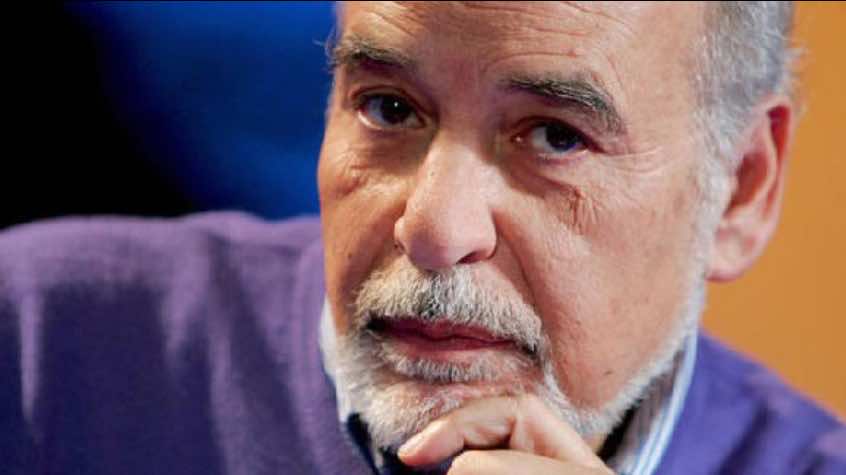
Moroccan writer Tahar Benjelloun has voiced dismay at what he describes as the decline in Morocco’s tourism standards, warning that many Moroccans abroad now feel unwelcome in their own country.
In his article “Très cher Maroc! (2)”, published recently by Moroccan media Le360, Benjelloun drew on readers’ testimonies that reflect anger over inflated costs and poor services.
Still ‘the most beautiful country in the world’
One Moroccan living abroad wrote: “The daily scams, the special MRE prices in July and August, the ferry crossing more expensive than the Channel, hotels that call themselves five stars but barely reach two or three. Theft and corruption are everywhere.”
Benjelloun said this sentiment is widespread. He noted that rising ticket prices and the gap between cost and quality discourage many Moroccans abroad from visiting during the summer.
“The rising price of plane tickets in summer has dissuaded MREs (Moroccans residing abroad) from coming back to the most beautiful country in the world,” he wrote. Some, he added, chose Spain or Turkey instead.
‘Their children will come less and less to Morocco’
For him, the problem lies not only in the cost but in what people receive in return. “Something is expensive when neither its quality nor its quantity corresponds to the price asked. You can see this every day in restaurants,” he argued.
He warned that this pattern risks distancing future generations of the diaspora from Morocco altogether. “They think their children will come less and less to Morocco and, worse, will stop sending money,” he said.
Benjelloun urged authorities to intervene before the situation deepens. “The competent authorities should do something against this drift, which does not seem to stop but instead spreads improperly,” he wrote.
His remarks ignited a lively debate among Moroccans at home and abroad.
For some, Benjelloun went too far by publicly exposing the country’s shortcomings in the media. They described the renowned writer’s move as damaging to Morocco’s image on the international stage. And they argued that criticism of this kind should remain an internal matter, not aired in a way that could deter tourists and investors.
Some also pointed out that Morocco, despite its flaws, is slowly but surely progressing, and that such progress risks being overshadowed by harsh portrayals.
Others defended the writer, insisting that he only voiced what countless citizens and members of the diaspora have long endured in silence from overpriced services, declining quality, and the frustration of feeling taken for granted. To them, this column simply put words to a reality that authorities prefer to downplay.
[ad_2]
Source link