
[ad_1]
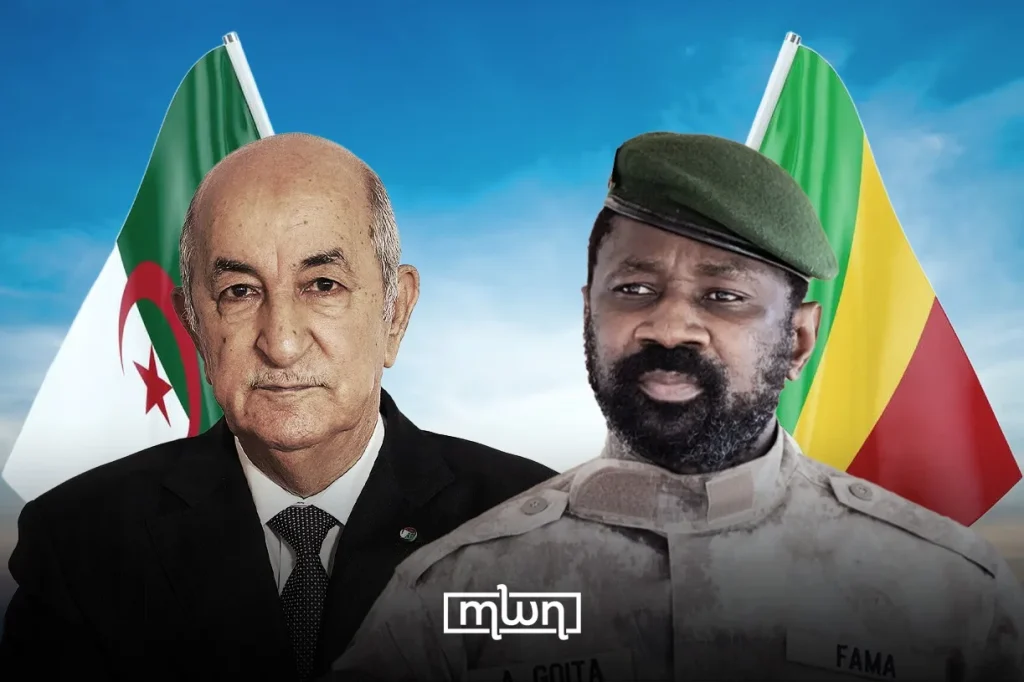
Rabat – The President of the Malian transitional military government, Assimi Goita, officially received the new National Charter on July 22, in replacement of the 2015 Algerian Accords.
Mali’s interim government now says it believes that the new charter is the best document for finding peace and national reconciliation in the country’s current realities.
The Prime Minister of Mali described the new charter as a “historic step for national sovereignty” as security challenges persist in northern and central Mali.
Violence has been widespread in Mali for a long time from various terrorist organizations and the Tuareg insurgency in the north of the country.
The current government overthrew the previous elected government in a coup d’etat in 2020, pledging to resolve these persistent issues. The country has since joined the Alliance for Sahel States, together with Niger and Burkina Faso.
The document that has been pushed forward after months of negotiations between officials, activists and civil society organizations has led to widespread approval and optimism. “After so much polarization, everyone is immersed in the content and document itself, we hope to find peace again,” commented a delegate member of the negotiation committee.
Morocco to replace Algeria in the Sahel’s new regional order?
According to the Malian government, the aim of this proposal is to try and build social cohesion and put an end to the epidemic of violence and extremism across the country. The document will replace and overturn the Algiers Accords, which was signed in 2015, a period when Algeria was trying to consolidate its supremacy in the Sahel.
It also nullifies several other Algerian-mediated peace agreements, including the Tamanrasset Agreement of 1991, the National Pact of 1992, and the 2006 Algiers Agreement for the Restoration of Peace, Security and Development in the Kidal region.
The new chart comes as the Malian government has been trying to free itself from Algerian influence since 2020. Tellingly, Mali has joined the other Sahel states in the Moroccan Atlantic initiative, forging an alliance with Morocco and indicating the emergence of a new axis in Sahelian affairs.
[ad_2]
Source link