
[ad_1]
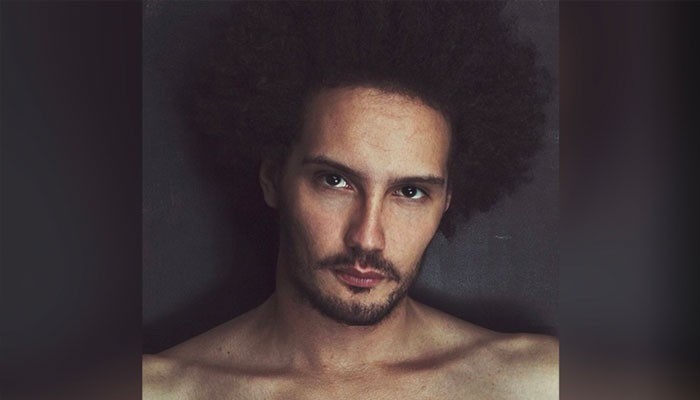
Rabat – The appeal trial of Salim Berrada, a 40-year-old former Moroccan photographer convicted last year of multiple rapes and sexual assaults, started today before the Val-de-Marne Assize Court in Créteil.
In March 2024, a Paris criminal court sentenced Berrada to 18 years in prison after finding him guilty of 12 rapes and three sexual assaults committed between 2014 and 2016 against women he met on dating apps and social media.
He was acquitted in the cases of two other complainants, with the court citing insufficient evidence. His sentence also included an obligation to leave French territory upon completion of his term.
Berrada, who has consistently denied the charges, argued throughout the first trial that the sexual relations were either consensual or did not occur. Immediately after his conviction, he filed an appeal.
Exhaustion among victims
17 women have now joined the case as civil parties in the appeal proceedings. Their lawyers say the drawn-out process has left the women drained.
“These women are tired of the excessive length of the procedure,” said lawyer Marjolaine Vignola, who represents three of the complainants. “It is hard for them to have to confront again what they went through.”
For some, the events date back more than a decade, explained lawyer Sophie Rey-Gascon, who represents four other women.
Similar accounts of abuse
According to the case files, the victims, most of whom were in their early twenties at the time, say they were lured by Berrada to his studio under the pretense of photo shoots.
Once there, they describe being offered alcohol that quickly left them in a dazed, drugged-like state. Many recall vomiting, losing control, or passing out.
Their testimonies describe a similar pattern: the accused allegedly became violent, pinned them down, restrained their wrists, and raped them despite their repeated refusals.
Contacted by AFP ahead of the appeal trial, Berrada’s legal team, composed of lawyers Céline Lasek, Irina Kratz, and Ambroise Vienet-Legué, declined to comment.
The new hearings are expected to once again center on the issue of consent, which was at the heart of the first trial.
[ad_2]
Source link