
[ad_1]
Rabat – Morocco’s Ministry of Agriculture announced that the national livestock census, carried out from June 26 to August 11 across the country’s prefectures and provinces, recorded a total of 32,832,573 heads of livestock.
Sheep remain the backbone of the national herd with 23.1 million heads, including 16.3 million females. Goats reached 7.4 million heads, with more than 5.2 million females.
Cattle numbered 2,094,109 heads, of which 1,555,842 were females, while camels stood at 106,044, including 91,432 females.
The ministry explained that the census sought to create an updated and precise database that supports the regeneration of the national herd.
It also aims to strengthen productivity and sustainability in the sector while reinforcing Morocco’s food sovereignty.
Despite the overall increase, the figures revealed a notable drop in cattle and camels. Their numbers fell by nearly 30% compared to the usual averages of 3 to 3.2 million heads of cattle and 150,000 camels.
The ministry linked this decline to the repercussions of the COVID-19 pandemic, the suspension of irrigation in certain agricultural zones, and successive years of drought.
In response, authorities decided to lift customs duties and value-added tax on imports of sheep, goats, and dried milk until the end of September 2025. Duties on cattle imports will also remain suspended to support the rebuilding of the national herd.
The government allocated close to MAD 11 billion ($1.1 billion) to back livestock breeders. The funds will serve to purchase fodder, preserve breeding females, ease debts, and finance vaccination and technical support campaigns.
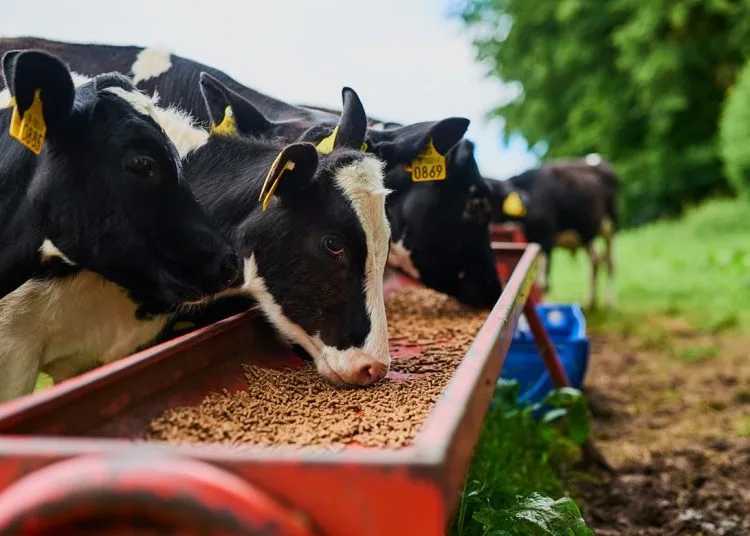
According to the ministry, financial assistance will be calculated for each breeder on the basis of animals identified during the census by local committees and marked with numbered rings.
Morocco continues to struggle with ongoing drought, a challenge that weighs heavily on breeders and makes the upkeep of cattle particularly difficult.
The situation reached a critical point this year when King Mohammed VI decided to cancel Eid Al Adha, a measure that has seldom been taken in the country’s history.
[ad_2]
Source link