
As Eid approaches, consumer prices in Morocco continue to rise, with the High Commission for Planning reporting a year-on-year increase of 0.9 percent in March 2026 compared to the same period last year.
According to the report, the increase is mainly driven by a 0.6 percent rise in food prices and a 1.1 percent increase in non-food items, despite a slight decline in recreation and culture, alongside a rise in miscellaneous goods and services.
On a monthly basis, the price index rose by 1.2 percent compared to February, supported by a 1.9 percent increase in food prices, while non-food items recorded a smaller rise of 0.6 percent.
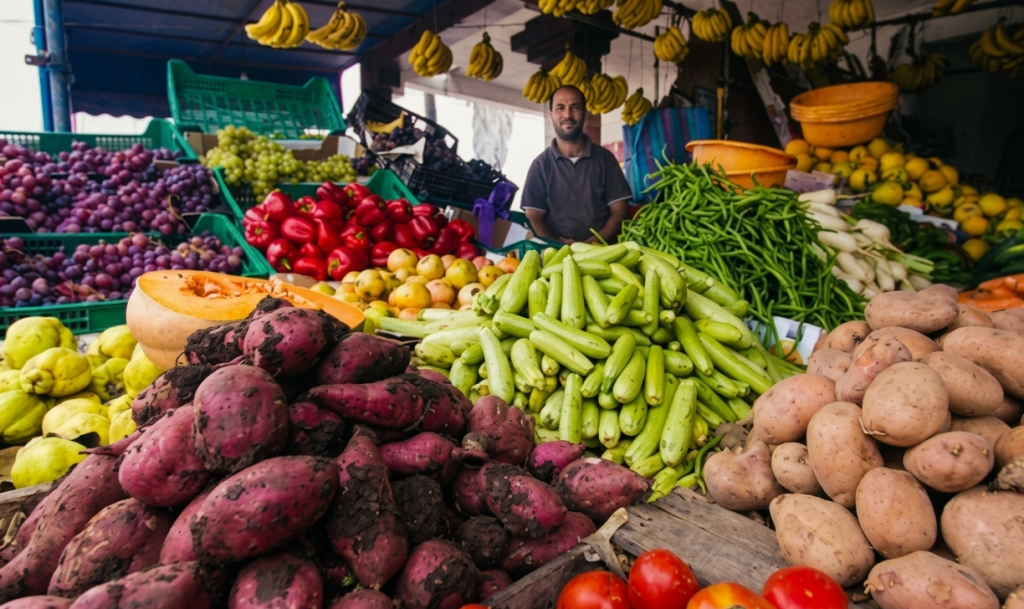
The data show that vegetables recorded the highest increase at 9.7 percent, followed by fruits at 2.6 percent, meat at 2.4 percent, and fish and seafood at 1.3 percent, in addition to slight increases in coffee, tea, and cocoa, while oils and fats declined by 2.4 percent, along with a slight drop in milk and fresh cheese.
For non-food items, fuel prices rose significantly by 10.7 percent, contributing to the overall inflation trend.
Regionally, the highest increases were recorded in Guelmim and Al Hoceima at 2.7 percent, followed by Errachidia, Agadir, and Safi, while Rabat, Kenitra, and Meknes saw more moderate increases of around 0.9 percent.
Core inflation, which excludes regulated and volatile products, recorded a slight monthly increase of 0.1 percent between February and March 2026, with a year-on-year decline of 0.6 percent compared to March 2025.