
[ad_1]
Marrakech – The Ministry of Interior has announced new measures regarding housing permits and compliance certificates, which will now only be issued after the complete finalization of construction work according to approved plans.
This decision aims to combat illegal building modifications, prevent construction fraud, and preserve the aesthetic appearance of cities.
According to converging reports, provincial governors and prefects have been instructed to implement these decisions, specifically prohibiting the issuance of partial housing permits.
Communes have been tasked with strictly enforcing these directives, ensuring that architects do not issue work completion certificates until confirming that buildings have been fully constructed according to plans approved by authorities.
The decision comes in response to reports submitted to the central administration warning about the growing number of incomplete or abandoned buildings in urban and semi-urban areas, where construction sites often remain active for long periods intermittently.
Read also: Morocco’s Housing, Medical Support Programs Reached Milestones in 2024
This situation, compounded by leniency in granting partial housing permits, has facilitated illegal building modifications, disturbed neighboring residents, and degraded the visual appeal of neighborhoods – particularly along main streets and in city centers.
The Interior Ministry stressed the necessity for all urban planning departments to comply with Decree 2.13.424, which regulates construction in the country, to ensure full adherence to legal specifications.
The ministry’s move also aims to curb the “rent-seeking” practices linked to permit issuance within communes (territorial communities).
Reports documented numerous urban planning violations that led to the suspension and dismissal of several commune presidents recently, including irregularities in building permits and housing compliance certificates issued outside the law.
Sources indicated that construction sites left open for extended periods without proper supervision have created opportunities for unauthorized modifications to approved designs.
In many cases, this regulatory gap is exploited to make changes that do not comply with the authorized plans, directly affecting monitoring operations assigned to local authorities and urban planning controllers.
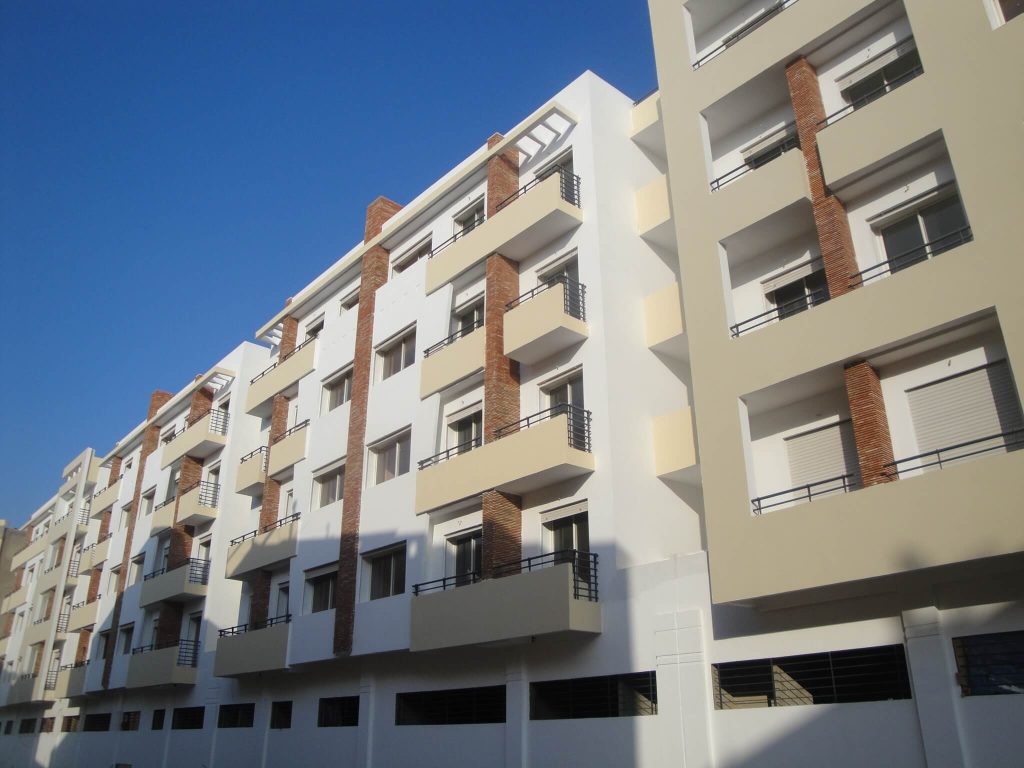
The new regulations will require facade coating or painting according to the collective decisions specific to each territorial community, further enhancing urban aesthetics while ensuring compliance with approved construction plans.
[ad_2]
Source link