
[ad_1]
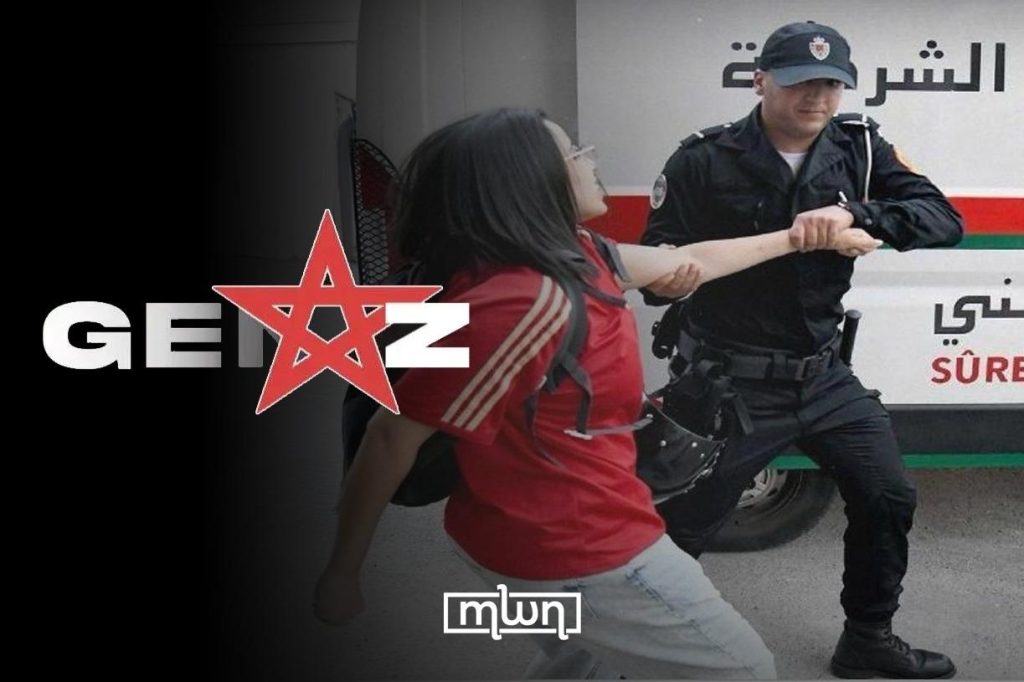
Rabat – On October 3rd, the office of the United Nations Secretary-General issued a statement regarding the recent GENZ 212 protests that have swept through Morocco’s streets since September 27th. The demonstrations, which left three people dead, hundreds injured, and dozens arrested, prompted the UN to call for all sides to maintain the peaceful nature of the protests and to conduct a prompt and impartial investigation to ensure accountability.
Following the course of these events, one cannot help but recall the American saying: “You’re shooting yourself in the foot.” Unfortunately, that is precisely what the Moroccan government did by opting for a security approach, marked by repression and arbitrary arrests.
On September 27th, thousands of young Moroccans took to the streets to peacefully express their frustration with social and economic conditions, demanding reforms in health and education, as well as an end to corruption. The authorities had a golden opportunity to rebuild trust with the country’s youth. Instead, they chose to violate the spirit of the Constitution, which guarantees the right to peaceful protest, and found themselves facing not only domestic criticism from the general public and civil society groups, but also strong reactions from international actors, including the UN, the European Union, and leading human rights organizations, such as Amnesty International and Human Rights Watch.
What makes this situation particularly concerning is its timing. These developments come at a highly sensitive moment for the Moroccan Sahara issue. At a time when Morocco is working to strengthen its diplomatic standing and persuade the international community of the credibility of its “Autonomy Proposal”, images of repression offer its adversaries a “free gift” at the highest UN platform, undermining the country’s narrative of reform and openness.
In recent years, the human rights landscape in Morocco has witnessed many setbacks according to testimonies from numerous activists and civil society organizations – a period often described as a “ridda hokukiyya” (human rights regression) – reflecting a retreat from the guarantees enshrined in the 2011 Constitution, which was adopted following the February 20 Movement protests and took to the street in parallel with the Arab Spring Uprisings across the Middle East and North Africa region. However, Moroccan diplomacy has invested considerable effort in cultivating the image of an “exceptional state,” steadily advancing on the path of democracy and human rights. Yet, confronting peaceful demonstrations with security crackdowns undermines this carefully cultivated credibility both abroad and at home. It sends a discouraging message to Moroccan citizens – especially the youth – that the state still fears public dissent and is willing to retreat from its constitutional promises while simultaneously eroding the legitimacy of Morocco’s diplomatic discourse in international forums.
This underscores the need to build strong democratic foundations that enable the peaceful resolution of disagreements and uphold the rule of law. These values constitute the true strength of any political system, as opposed to repression and restriction. Democracy is not a slogan for external consumption; it is, first and foremost, an internal practice. It cannot be reduced to electoral processes, and, more importantly, it is tested in times of crisis.
Retreating from the principles of the rule of law and the link between responsibility and accountability has become extremely costly for the Moroccan state, both domestically and internationally. Domestically, it leads to the erosion of trust between the state and its citizens. Notably, the open letter addressed by GENZ youth to King Mohammed VI (shared on social media on October 3rd) began and ended with a clear appeal for a “renewal of trust.” Internationally, this regression weakens Morocco’s position as it advocates for the autonomy proposal regarding the Sahara issue and faces its adversaries – especially amid their repeated attempts before the UN Security Council to include a human rights monitoring component within MINURSO’s mandate.
Respecting the right to peaceful protest does not undermine the authority of the state. Rather, it strengthens its legitimacy and shields it against internal and external challenges. Upholding democracy and honoring the social contract are no longer political luxuries. They have become the guarantors of stability and the key to Morocco’s strength, both domestically and internationally. Today, this requires renewing trust between the state and society by empowering GENZ and citizens in general to exercise their rights and by responding to their legitimate demands.
[ad_2]
Source link