
[ad_1]
Gas nitriding is a thermochemical surface treatment process widely employed in the metalworking industry to enhance the mechanical properties of various metallic components.
How does Gas Nitriding work?
This process involves diffusing nitrogen atoms into the surface layers of a workpiece at elevated temperatures, typically in the range of 480°C to 570°C (900°F to 1050°F). The nitrogen atoms penetrate the material, forming various nitride phases that significantly improve hardness, wear resistance, corrosion resistance, and fatigue strength.
The primary mechanism behind gas nitriding involves exposing the workpiece to a nitrogen-rich atmosphere, often comprising ammonia (NH₃) or a mixture of nitrogen and hydrogen. The ammonia decomposes at the elevated temperatures, yielding nitrogen atoms and hydrogen gas. These nitrogen atoms then diffuse into the metal lattice, creating a hardened surface layer while the core material remains relatively soft and ductile, preserving its toughness and shock-absorbing capabilities.
What Are the Advantages of Nitriding?
Enhanced Mechanical Properties
Gas nitriding significantly boosts the surface hardness of metals, making treated components more resistant to wear and abrasive damage. It also enhances corrosion resistance, protecting against environmental degradation in aggressive environments.
Improved Fatigue Strength
By creating a compressive residual stress layer at the surface, gas nitriding reduces the susceptibility to fatigue failure, extending the service life of components subjected to cyclic loading conditions.
Dimensional Stability
Compared to other surface hardening processes, gas nitriding causes minimal distortion and dimensional changes, preserving the precision of treated parts, which is crucial for applications requiring tight tolerances.
Cost-Effectiveness
Gas nitriding is a relatively cost-effective process, particularly for large-scale production due to its ability to treat multiple components simultaneously and the minimal post-treatment requirements.
Is It Safe?
Gas nitriding operations are generally safe when conducted under controlled conditions. Proper ventilation and handling practices are essential to mitigate the risks associated with ammonia, which is toxic and flammable. Strict adherence to safety guidelines ensures the protection of personnel and equipment throughout the process.
What Are the Disadvantages of Nitriding?
Case Depth Limitation
Gas nitriding is limited in terms of the achievable case depth, typically ranging from 0.1 to 0.6 mm (0.004 to 0.024 inches). For applications requiring deeper hardening, alternative processes such as carburizing or induction hardening may be more suitable.
Process Time
While efficient, gas nitriding can be time-consuming, particularly for larger components or those requiring deeper nitride layers. The process duration can range from a few hours to several days, depending on the material type, desired case depth, and operating temperature.
Material Limitations
Gas nitriding is most effective on ferrous alloys, particularly low-alloy steels, stainless steels, and cast irons. Non-ferrous metals, such as aluminum and titanium, are not amenable to this process due to their limited ability to absorb nitrogen and form nitride phases.
What Materials Can Be Gas Nitrided?
Gas nitriding is primarily applied to low-carbon and low-alloy steels, tool steels, stainless steels, and cast irons. These materials exhibit favorable nitrogen diffusivity and the ability to form stable nitride phases, contributing to the effectiveness of the process.
Certain aluminum alloys and titanium alloys, while less common, can undergo modified nitriding processes, albeit with limited success compared to ferrous materials.
Detailed Introduction of the Gas Nitriding Process
The gas nitriding process can be broadly divided into three stages: preheating, nitriding, and cooling.
Preheating
Before initiating the nitriding process, the workpieces are preheated to the desired treatment temperature in an inert or slightly oxidizing atmosphere to minimize surface oxidation and ensure uniform heating throughout the material.
Nitriding
Once at the desired temperature, the workpieces are exposed to the nitrogen-rich atmosphere. The ammonia decomposes, and nitrogen atoms diffuse into the metal lattice. The diffusion rate and depth of nitriding are influenced by factors such as temperature, time, ammonia concentration, and material composition.
Cooling
After the desired case depth and mechanical properties are achieved, the workpieces are cooled, typically in an inert atmosphere to prevent oxidation and retain the compressive residual stresses formed during nitriding. Controlled cooling rates can further enhance the mechanical properties of the treated components.
How Deep Does Gas Nitriding Go?
The achievable case depth in gas nitriding varies depending on the material type, treatment temperature, duration, and ammonia concentration. Typically, case depths range from 0.1 to 0.6 mm (0.004 to 0.024 inches), with deeper layers achievable through prolonged treatment times or the use of catalysts to accelerate nitrogen diffusion.
How Long Does Nitriding Take?
The duration of the gas nitriding process depends on multiple factors, including the material composition, desired case depth, treatment temperature, and ammonia concentration. For standard applications, process times can range from a few hours to several days. Precision control over these parameters is crucial to achieve the desired mechanical properties and minimize distortion.
Does Gas Nitriding Change Dimensions?
Gas nitriding causes minimal dimensional changes due to the low volume expansion associated with nitrogen diffusion. However, slight distortions can occur, particularly in complex geometries or thin sections. Precision components may require post-treatment operations, such as grinding or polishing, to restore dimensional accuracy and surface finish.
How to Check Nitriding Hardness?
Assessing the hardness of gas nitrided components is crucial to verify the effectiveness of the treatment. Hardness tests, such as the Vickers or Knoop indentation tests, are commonly employed. These tests measure the resistance of the material to plastic deformation by indenting the surface with a diamond pyramid and measuring the resulting indentation size. The hardness values obtained provide insights into the depth of hardening and uniformity of the nitride layer.
Gas Nitriding Applications
Gas nitriding finds extensive applications across various industries due to its ability to enhance the mechanical properties of metallic components without compromising their dimensional stability or toughness. Some notable applications include:
- Automotive Industry: Gears, shafts, and other powertrain components benefit from improved wear resistance and fatigue strength.
- Aerospace Industry: Fasteners, landing gear components, and other critical parts require enhanced corrosion resistance and mechanical properties under extreme conditions.
- Tool and Die Industry: Cutting tools, molds, and dies undergo gas nitriding to improve their wear resistance and service life.
- Medical Industry: Surgical instruments and implants benefit from enhanced corrosion resistance and biocompatibility after nitriding treatment.
- Energy Sector: Valves, pumps, and other components in oil and gas exploration and production environments require improved wear and corrosion resistance to withstand harsh conditions.
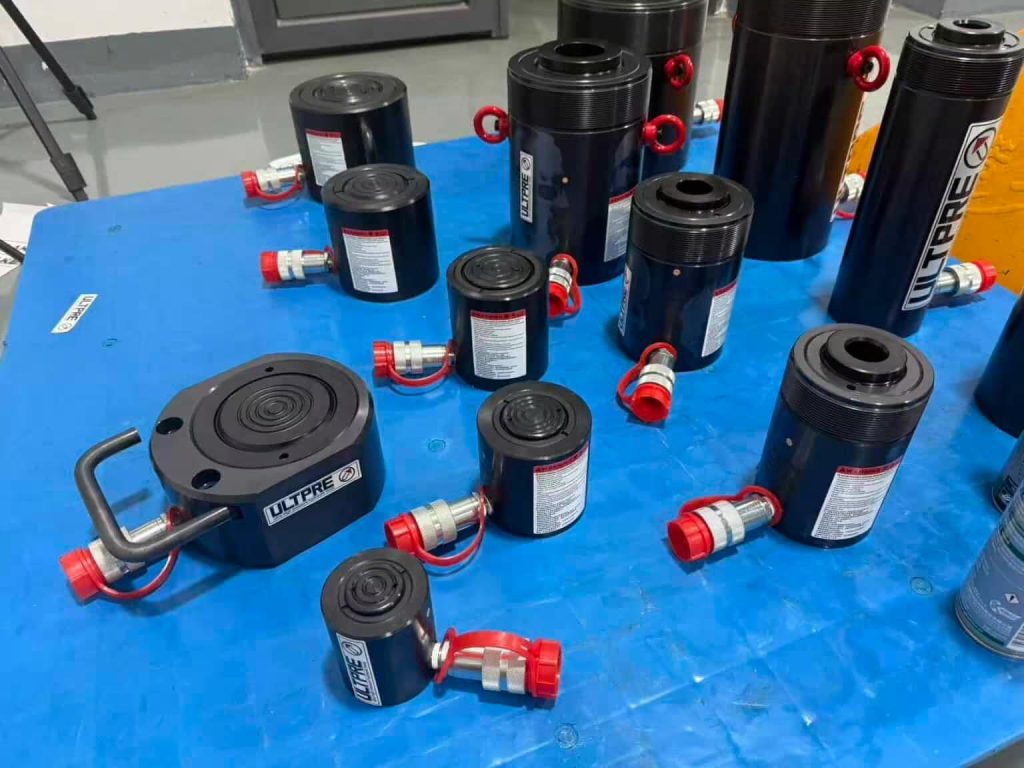
- Precision machined components are another important application category. The process is particularly well-suited for slender components such as machine tool spindles, hydraulic cylinders, and precision shafts, which are susceptible to deformation using other heat treatment methods. The distinctive silver-gray finish of nitrided components also offers aesthetic advantages for consumer applications. ULTPRE manufactures hydraulic cylinders using gas nitriding, which offers superior wear and corrosion resistance compared to traditional paint finishes.
Gas nitriding is a versatile and effective thermochemical treatment process that significantly enhances the mechanical properties of metallic components. By understanding its principles, advantages, limitations, and applications, mechanical engineers can optimize the design and manufacturing processes to meet the specific requirements of diverse industrial sectors.
[ad_2]
Source link