
[ad_1]
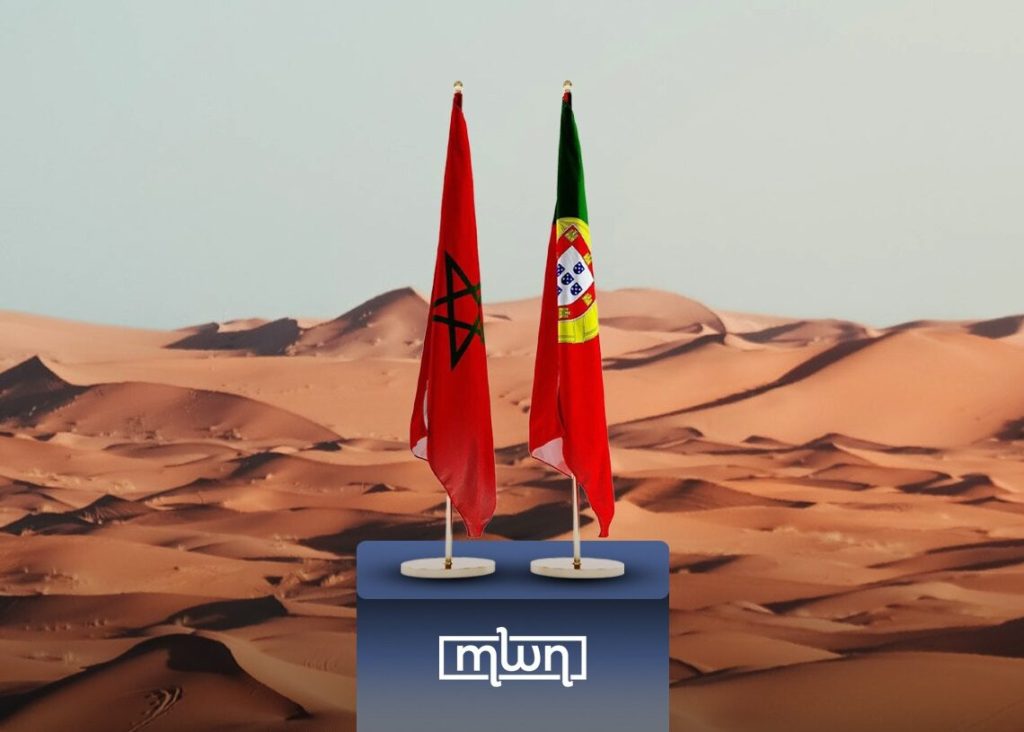
Rabat – Portugal’s Social Democratic Party (PSD), which leads the country’s governing coalition, has reaffirmed its support for Morocco’s autonomy plan for Western Sahara.
Speaking in parliament on Friday, the PSD described the plan as “the most serious, credible and constructive” basis to resolve the long-standing regional dispute.
The party stated that Portugal’s position “leaves no room for ambiguity,” underlining that the government has never had any official contact with the self-proclaimed Sahrawi Republic.
This stance was officially confirmed on July 22, 2025, when Portugal and Morocco issued a joint declaration during a visit by Moroccan Foreign Minister Nasser Bourita to Lisbon.
Morocco’s head of government, Aziz Akhannouch, later thanked his Portuguese counterpart for this “clear and strong position” during a recent meeting in New York.
Portugal’s PSD emphasized during Friday’s debate that the country’s stance has been consistent and firmly aligned with the United Nations framework.
The statement came during a discussion on whether the Portuguese parliament should officially recognize Morocco’s sovereignty over the Sahara, an initiative raised by the Chega party.
By reaffirming its support, Portugal has added to Morocco’s growing list of allies, reinforcing Rabat’s diplomatic momentum.
Growing support for Morocco
Morocco first proposed its Autonomy Plan in 2007, offering the people of Western Sahara self-management of local affairs while keeping defense, foreign policy, and religion under Moroccan sovereignty. Since then, the plan has gained wide international recognition.
Momentum accelerated in December 2020, when the United States formally recognized Morocco’s sovereignty over Western Sahara. In the years since, several major powers have followed.
Earlier this year, the United Kingdom called the plan “the most credible, viable, and pragmatic” solution.
Meanwhile, France officially shifted its stance in 2024 to endorse Morocco’s autonomy plan as the exclusive political framework. President Emanuel Macron has explicitly stated that both the present and future of Western Sahara “fall within the framework of Moroccan sovereignty.”
Across Africa, Latin America, and the Middle East, dozens of governments have backed Morocco’s position.
More than 116 countries now support Morocco’s sovereignty over Western Sahara.
Alongside this wave of recognition, many countries have also withdrew recognition of the Polisario-backed Sahrawi Arab Democratic Republic (SADR). Nations such as Ghana, Panama, and Ecuador have rolled back recognition in recent years, further isolating the Polisario Front and its main supporter, Algeria.
Meanwhile, international institutions and global partners are becoming more engaged in the Sahara. The United States has encouraged investment in the region, which signals growing confidence in Morocco’s long-term control.
[ad_2]
Source link