
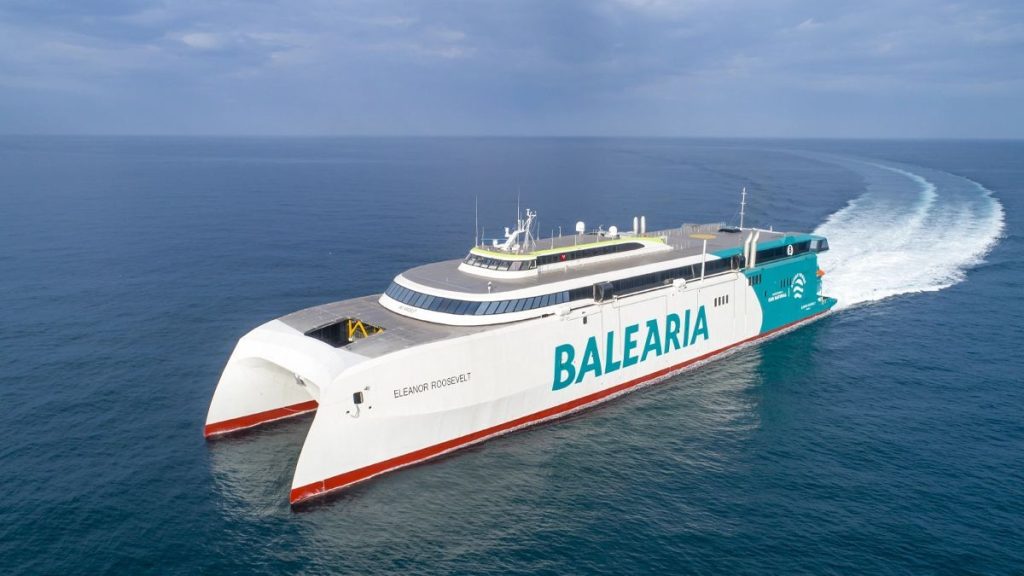
Public debate is intensifying in Morocco over ferry fares on the Tangier–Tarifa route, with transport and tourism stakeholders describing it as one of the world’s most expensive maritime crossings relative to the short distance it covers. As ticket prices remain high, calls are growing for Morocco’s Parliament to urgently examine the issue and seek explanations from the relevant authorities over costs that weigh heavily on thousands of travelers, particularly Moroccans living abroad.
The Tangier–Tarifa route is the shortest maritime crossing between Africa and Europe, covering only about 31 kilometers in approximately 40 minutes. Despite the short journey, some passenger tickets reach €70, while transporting a car with its passengers can cost around €385 during certain periods, a price many consider excessive given the route’s distance and travel time.
International comparisons highlight the scale of the price gap. Based on cost per kilometer, the Tangier–Tarifa crossing averages around €2.26 per kilometer, making it one of the most expensive ferry routes in the world.
By comparison, the Hong Kong–Macau ferry route—widely regarded as one of the most competitive worldwide—covers approximately 60 kilometers, nearly twice the Tangier–Tarifa distance, with ticket prices starting at around €12, or roughly €0.20 per kilometer. This means the Tangier–Tarifa crossing costs more than eleven times as much per kilometer despite being significantly shorter.
The comparison extends beyond Asia. The Helsinki–Tallinn ferry, which operates over a distance of approximately 80 kilometers, offers fares of around €77 while serving countries with significantly higher wages and operating costs than Morocco. Likewise, the Vancouver–Victoria route in Canada, spanning roughly 115 kilometers, offers fares starting at about €46 despite operating in one of the world’s highest-cost economies.
Observers argue that these comparisons raise legitimate questions about the pricing mechanisms applied on the Tangier–Tarifa route, particularly given that it is the shortest crossing in both distance and duration while costing more than much longer routes operating in countries with considerably higher operating expenses.
Economic stakeholders warn that the current pricing directly affects travelers’ purchasing power, especially Moroccans living abroad who rely on the route during the summer holidays and the annual Marhaba transit operation, as well as tourists, business travelers, and companies that use the crossing regularly.
Against this backdrop, calls are mounting for the Moroccan Parliament to open an urgent debate on maritime transport pricing between Morocco and Spain, request explanations from industry stakeholders, and examine measures to encourage greater competition and transparency while balancing investors’ interests with consumer protection.
Many observers believe that reviewing the pricing system has become both an economic and social necessity—not only to protect consumers’ purchasing power but also to strengthen Morocco’s tourism appeal, facilitate mobility between both shores of the Strait of Gibraltar, and ensure ferry fares remain proportionate to the service provided and the distance traveled.