
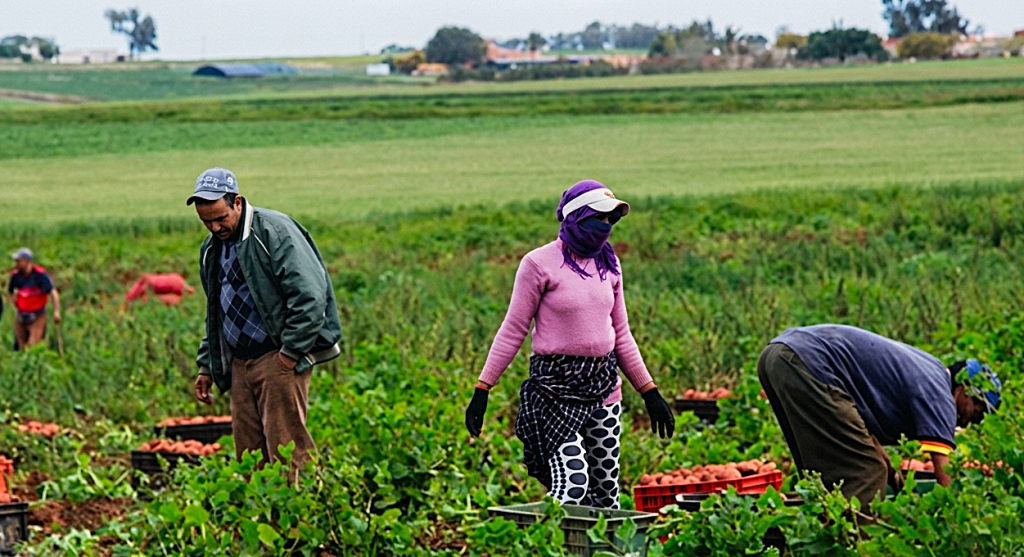
The Spanish government’s decision to regularize nearly half a million migrants has been welcomed by stakeholders in the agricultural sector, who view it as a response to labor shortages affecting production seasons.
Professional organizations indicate that Spanish agriculture increasingly relies on foreign workers, who make up about 37 percent of the workforce, amid insufficient local labor supply.
Sector representatives noted that the measure could ease pressure on farms, particularly ahead of key harvesting periods.
They also highlighted that integrating migrants into the legal labor market may help stimulate local economies and support social protection systems.
Trade unions stated that regularizing undocumented workers would contribute to reducing informal employment and ensuring compliance with labor standards.
Industry representatives emphasized that integrating migrants already present in the country is a practical solution to workforce shortages.
Data from the agricultural social security system show a rise in foreign workers, with Moroccans forming the largest group.
Regions such as Andalusia, Murcia, and Valencia host a significant share of this workforce, which explains the support expressed by sector organizations for the decision.